Why Endura_

Modern pipelines run code no one can fully review. Endura gives teams control at execution, enforcing the security boundary without slowing the build.




Modern software is assembled from dependencies, automation, generated code, and third-party tooling. Endura starts from reality: understand behavior, define the boundary, and enforce it at runtime.

Runtime-First
Security decisions happen while code runs, where intent becomes behavior and policy can stop the action.

Least Privilege by Design
Use real build behavior to establish what belongs, then deny anything outside that boundary.

Fits the Stack You Have
Add enforcement to existing CI/CD environments without redesigning how your teams build software.
Runtime-First
Security decisions happen while code runs, where intent becomes behavior and policy can stop the action.
Least Privilege by Design
Use real build behavior to establish what belongs, then deny anything outside that boundary.
Fits the Stack You Have
Add enforcement to existing CI/CD environments without redesigning how your teams build software.
Developers need speed. Security needs control. Endura gives both a shared enforcement layer that fits existing systems without turning every build into a security project.
See How Endura Works


SCA can tell you what’s in the build. Attestation can prove where it came from. Neither controls what trusted code does once it runs. At execution, behavior is what matters.
Endura operates at the kernel layer, where every process, file access, and connection passes. That delivers deep visibility and real enforcement without changing how software gets built.
Explore the Architecture
kernel-level security hooks across files, processes, networks, and memory.
threat techniques prevented, including theft, injection, and escalation.
supported Linux distributions across enterprise environments.
Typical build overhead with runtime enforcement continuously active.
Kernel-Native by Design
Runtime Sensor uses eBPF and Linux Security Modules to observe and govern sensitive behavior where it actually happens: inside the kernel.

Built for Real CI/CD
Endura fits the pipelines, runners, and workflows teams already operate, adding runtime control without forcing a new build architecture.
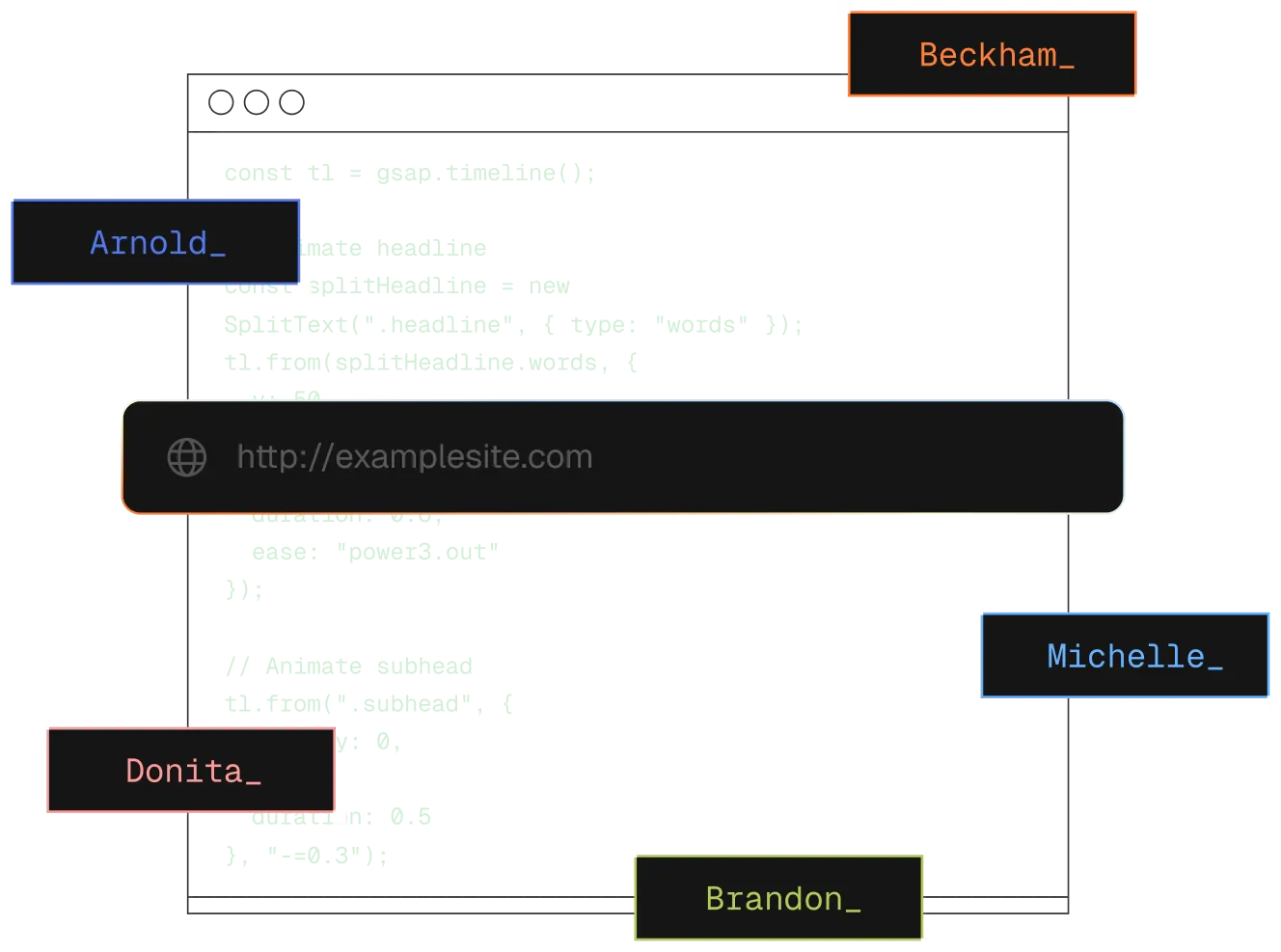
Endura brings developers, platform teams, and security into the same operational view. Everyone sees what ran, what was blocked, and why, so teams can improve policy without slowing delivery.

Explore technical analysis, security research, and practical perspectives on the threats reshaping modern software delivery.


Protect Your First Pipeline with Endura
Connect your CI/CD environment, deploy Runtime Sensor, discover your pipeline in Team Server, and establish the baseline needed to move from visibility to enforcement.

From Runtime Behavior to Enforced Policy
Learn how Endura derives least-privilege policy from real build behavior, validates it without disruption, and moves pipelines safely from observation into kernel-level enforcement.

The Cooldown Illusion: Waiting Isn’t Enforcement
Dependency cooldowns filter some fast-moving attacks, but they still depend on someone else detecting the compromise first. See why controlling behavior at runtime closes the gap.
Protect Your First Pipeline with Endura
Connect your CI/CD environment, deploy Runtime Sensor, discover your pipeline in Team Server, and establish the baseline needed to move from visibility to enforcement.
From Runtime Behavior to Enforced Policy
Learn how Endura derives least-privilege policy from real build behavior, validates it without disruption, and moves pipelines safely from observation into kernel-level enforcement.
The Cooldown Illusion: Waiting Isn’t Enforcement
Dependency cooldowns filter some fast-moving attacks, but they still depend on someone else detecting the compromise first. See why controlling behavior at runtime closes the gap.
Turn pipeline activity into visibility, policy, and action with Endura.
Endura enforces what your pipeline is allowed to do at the kernel level, blocking unauthorized network connections, file access, and process execution as they happen. Let us show you what that looks like on a real build.